OUR SOURCING CATEGORIES

Electronic Components

Explore electronic component types, technical considerations, and sourcing support for manufacturing, maintenance, and product development requirements.

ELECTRONIC COMPONENT SOURCING

Understanding Electronic Components and Their Sourcing Requirements

Electronic components are the building blocks of modern electronic systems. From basic resistors and capacitors to complex integrated circuits, these devices perform essential functions in power management, signal processing, communication, sensing, and control.

They are used across industrial equipment, electronic assemblies, automation systems, telecommunications, commercial products, and many other applications. Selecting the appropriate component requires attention to electrical characteristics, mechanical compatibility, environmental conditions, and application requirements.

At Zanna Consulting Inc., we assist businesses with electronic component sourcing by reviewing purchasing requirements and identifying potential supplier options. Whether you have a complete bill of materials, a specific manufacturer part number, or a component that requires further sourcing research, our role is to help simplify the supplier identification process.

PRODUCTS & TECHNOLOGIES

Types of Electronic Components

Electronic components serve different functions within a circuit or system. Below are common component families and some of the technical characteristics buyers may need to consider.

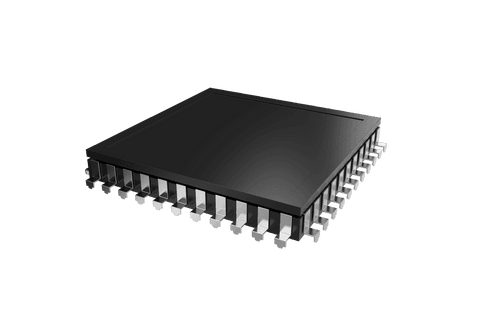
Semiconductor electronic component

Semiconductors & Integrated Circuits

Semiconductors are used to control, process, convert, and regulate electrical signals. Integrated circuits combine multiple electronic functions into compact packages and are found in everything from industrial controllers to communication devices.

Common product types

  • Microcontrollers and microprocessors
  • Analog and digital integrated circuits
  • Power management ICs and voltage regulators
  • MOSFETs, transistors, diodes, and rectifiers
  • Memory devices and interface ICs
  • Logic devices and signal conditioning components

When sourcing semiconductors, important details may include the exact manufacturer part number, package type, operating temperature range, electrical ratings, lifecycle status, and required documentation.
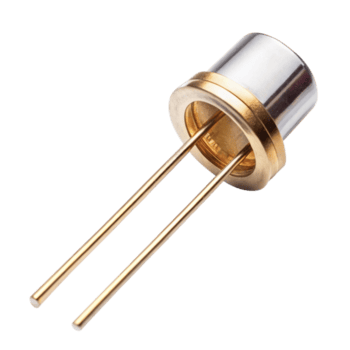
Passive electronic components

Passive Electronic Components

Passive components are used to manage current, voltage, energy storage, filtering, and signal behavior. Although many appear simple, selecting the correct specification is essential for reliable circuit operation.

Common product types

  • Fixed and variable resistors
  • Ceramic, electrolytic, film, and tantalum capacitors
  • Inductors, chokes, and ferrite beads
  • Transformers and magnetic components
  • EMI and signal filtering components
  • Resistor and capacitor networks

Relevant specifications can include resistance, capacitance, inductance, tolerance, voltage rating, power rating, temperature characteristics, physical dimensions, and mounting method.

Connectors and electronic interconnects

Connectors & Electronic Interconnects

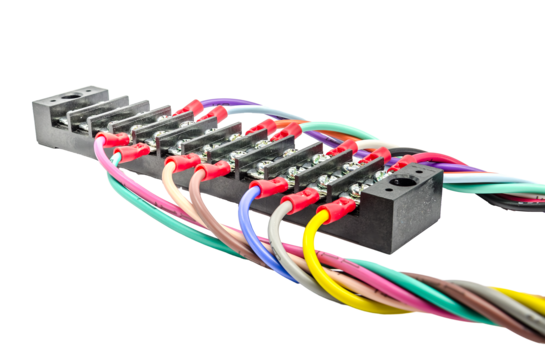
Electronic connectors provide electrical and mechanical connections between circuit boards, cables, devices, and equipment. Connector selection depends on the application, mating interface, signal requirements, and operating environment.

Common product types

  • Board-to-board and wire-to-board connectors
  • Headers, receptacles, and terminal blocks
  • Circular and rectangular connectors
  • RF and coaxial connectors
  • USB, Ethernet, and other interface connectors
  • Contacts, housings, and connector accessories

Buyers should consider pitch, pin count, mating compatibility, current rating, contact plating, mounting configuration, environmental protection, and applicable specifications.

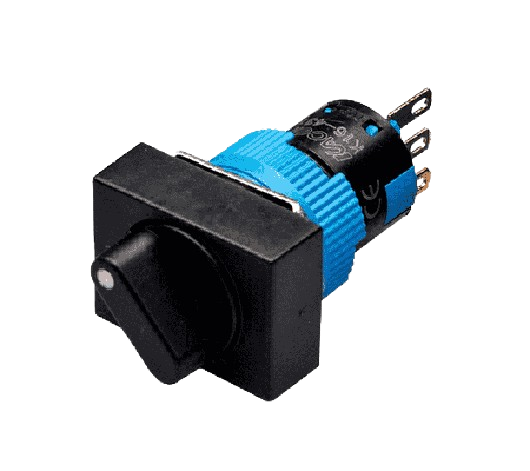
Rotary switches and encoders

Electromechanical Components

Electromechanical components combine electrical and mechanical functions to support switching, control, actuation, and user interaction within equipment and electronic systems.

Common product types

  • Electromechanical relays and signal relays
  • Push-button, toggle, and rocker switches
  • Rotary switches and encoders
  • Contactors and control devices
  • Solenoids and selected actuators
  • Electronic equipment accessories

Specifications may include contact configuration, switching capacity, coil voltage, mechanical life, operating force, mounting requirements, and environmental suitability.

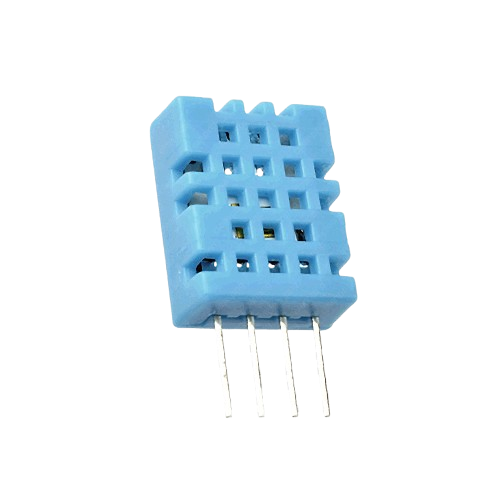
Temperature and humidity sensors

Sensors & Control Devices

Sensors detect physical or environmental conditions and convert them into signals that electronic systems can monitor or process. They are commonly used in industrial automation, equipment monitoring, consumer electronics, and control applications.

Common product types

  • Temperature and humidity sensors
  • Pressure and flow sensors
  • Proximity and position sensors
  • Current and voltage sensing devices
  • Optical and motion sensors
  • Sensor interface and signal conditioning devices

Selection considerations can include measurement range, accuracy, response time, output type, supply voltage, calibration requirements, and environmental conditions.

TECHNICAL CONSIDERATIONS

What Matters When Sourcing Electronic Components?

A successful sourcing inquiry starts with accurate product information. Understanding the requirements below can help reduce misunderstandings and improve supplier comparisons.

Manufacturer Part Numbers

Exact part numbers help identify the intended component, package, performance characteristics, and manufacturer. Suffixes and ordering codes can be important.

Electrical & Mechanical Specifications

Voltage, current, tolerance, dimensions, pin configuration, mounting type, and operating conditions can determine whether a component is suitable for an application.

Quantity & Purchasing Requirements

Required quantities, target delivery dates, order frequency, and packaging preferences help suppliers assess the request and prepare relevant quotations.

Lifecycle & Availability

Component lifecycle information, including active, not-recommended-for-new-designs, and obsolete status, may influence purchasing and long-term planning.

Documentation & Traceability

Depending on the application, buyers may require datasheets, manufacturer identification, compliance information, traceability records, or other supporting documentation.

Potential Alternative Components

When an original component is difficult to source, alternatives may be worth evaluating. Electrical, mechanical, functional, and qualification requirements must be reviewed before substitution.

HOW WE WORK

How Zanna Supports Electronic Component Sourcing

At Zanna Consulting Inc., our role is to help connect businesses with potential sourcing partners based on their purchasing and technical requirements. We focus on understanding what the customer needs before exploring supplier options.

01

Review Your Requirements

Share your manufacturer part numbers, BOM, quantities, technical specifications, or procurement challenges.

02

Identify Potential Supplier Options

We review the information provided and explore relevant sourcing opportunities through available supplier relationships and research.

03

Review Available Information

Where supplier information is available, we can help organize relevant details such as pricing, lead times, minimum order quantities, and proposed alternatives.

04

Support Your Procurement Decisions

We help facilitate communication and sourcing discussions so your team can evaluate options against its purchasing requirements.

Product availability, pricing, documentation, and lead times depend on the specific item and supplier. Any proposed component substitution should be reviewed and approved by the customer's qualified technical team.

Learn More About Our Sourcing Services
PREPARING YOUR INQUIRY

What Information Should You Include in an RFQ?

Providing clear purchasing information helps us understand your requirements and communicate them accurately when exploring sourcing opportunities.

  • Manufacturer name and complete part number, if known
  • Required quantity and anticipated order frequency
  • Datasheets, drawings, or technical specifications
  • Target delivery date or purchasing timeline
  • Approved manufacturers or alternative-part restrictions
  • Documentation, compliance, or traceability requirements
  • Relevant commercial or packaging preferences

If you have multiple components, you can also submit a bill of materials to help organize your inquiry.

Submit Your Bill of Materials
LET'S WORK TOGETHER

Looking for Electronic Components?

Whether you're sourcing an individual component, reviewing a bill of materials, or researching potential supplier options, tell us about your requirements.

Contact Our Team